Process Equipment

Dust Explosion Prevention and Spark Detection

Spark detection systems that detect and extinguish sparks and embers in dust collectors and conveying systems before they become fires or dust explosions.

Spark Detection

Finds sparks early.

Extinguishing

Puts them out fast.

Dust Collectors

Protects collectors.

Conveying

Mechanical and pneumatic.

How It Works

How Spark Detection Prevents Fires and Explosions

Fires and dust explosions occur almost daily across many industries. When working with combustible materials, sparks and embers can be created very quickly. This is a constant danger for any facility where combustible materials are worked, exhausted, transported, filtered or dried.

AFF offers spark detection systems that are used primarily as a fire prevention method in dust collectors and in mechanical and pneumatic conveying systems.

Sensors watch the airstream or material flow, and when a spark or ember is detected it is extinguished before it reaches the collector or storage, where it could start a fire or ignite dust.

Warning Signs

Signs Your Facility Is at Risk

  • Combustible dust in collectors or ducts

  • Grinding, sanding or cutting upstream

  • Hot surfaces or friction in conveying

  • Past fires or smoldering in collectors

  • Dry, fine dust in the airstream

Need replacement filters? See dust collector filter bags →

Dust Collectors

Protecting Dust Collectors and Conveying Lines

Dust collectors gather fine, dry dust in one place, which makes them a common point of ignition when a spark travels down the duct.

Spark detection placed on the ductwork leading to the collector, and on mechanical and pneumatic conveying lines, catches sparks and embers before they arrive.

Tell us about your process and material and we will help plan the right protection.
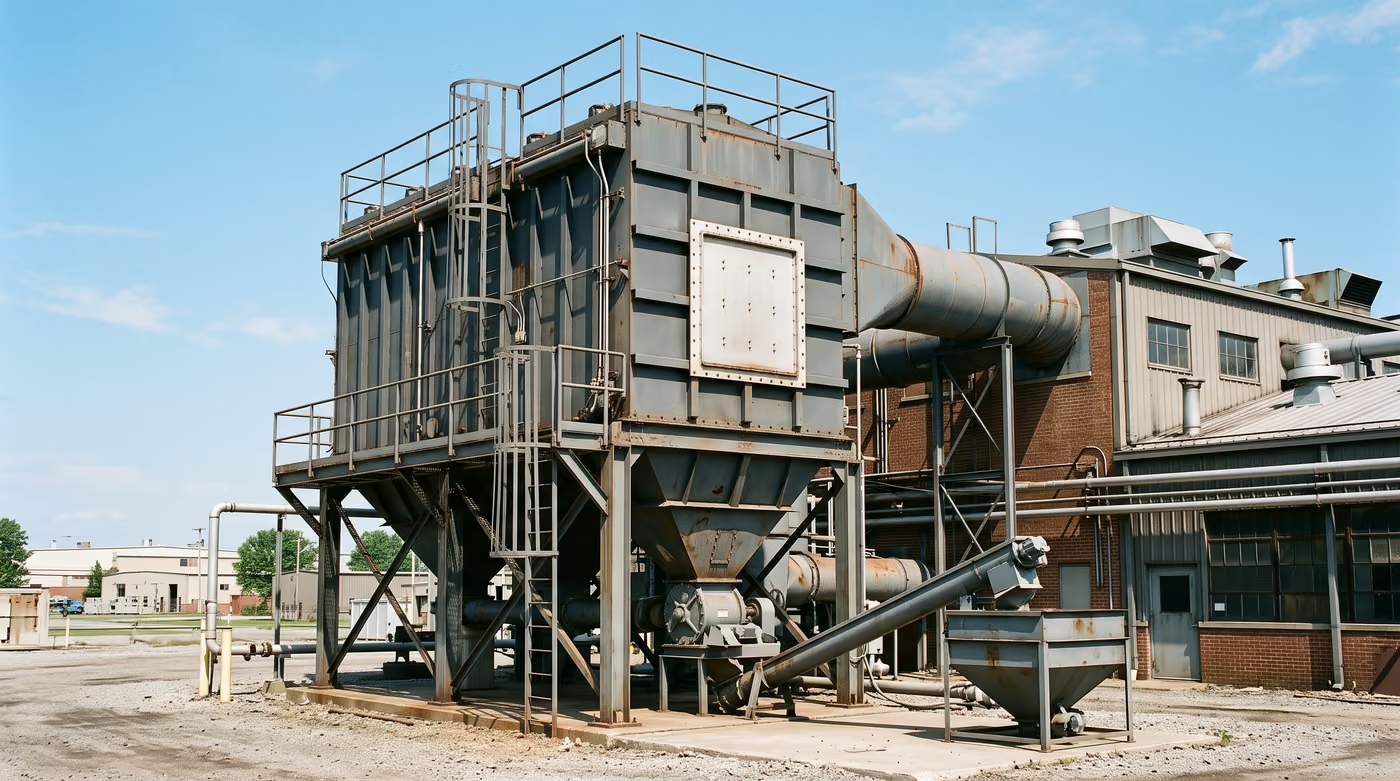
Outdoor baghouse dust collector with an explosion vent panel and connected ductwork

Dust collectors

Pneumatic conveying

Mechanical conveying

Dryers and exhaust

Where It Protects

Where Spark Detection Is Used

Anywhere combustible material is worked, exhausted, transported, filtered or dried.

Location Why It Matters
Dust Collectors Fine, dry dust collects in one place
Pneumatic Conveying Sparks travel quickly with the airstream
Mechanical Conveying Friction and hot surfaces can create embers
Exhaust Systems Sparks from upstream processes are carried downstream
Dryers Heat and dry material increase risk
Get Started

What to Send for a Spark Detection Quote

Send us these details and we will help plan protection.

Detail What We Need
Material What dust or material you handle
Process What creates sparks upstream
Equipment Dust collector, conveying system or dryer
Ductwork Duct sizes and layout
History Any past fires or incidents
Industries

Dust Explosion Prevention by Industry

Spark detection for industries that handle combustible dust.

Woodworking

Milling

Food Processing

Metal Working

Manufacturing

Powder Coating

Pharmaceutical

Wastewater Treatment

FAQs

Dust Explosion Prevention Questions

Tell us about your process and we will help plan protection.

Fires and dust explosions occur almost daily across many industries. When working with combustible materials, sparks and embers can be created very quickly.

A spark detection system detects and extinguishes sparks and embers in dust collectors and in mechanical and pneumatic conveying systems, as a fire prevention method.

Any facility where combustible materials are worked, exhausted, transported, filtered or dried faces this danger.

Sensors are typically placed on ductwork and conveying lines upstream of the dust collector, so sparks are caught before they arrive.

Process Equipment

More Process Equipment

Equipment that moves, screens, weighs and protects your product.

Vacuum Conveying

Enclosed pneumatic conveying.

Silencers

Blower, fan and vent silencers.

Magnetics

Magnetic separators.

Sifters

Gyratory, reclaim and vibratory.

Protect Your Plant From Dust Fires

Send us your material and process, and we will help plan spark detection for your dust collector and conveying lines.